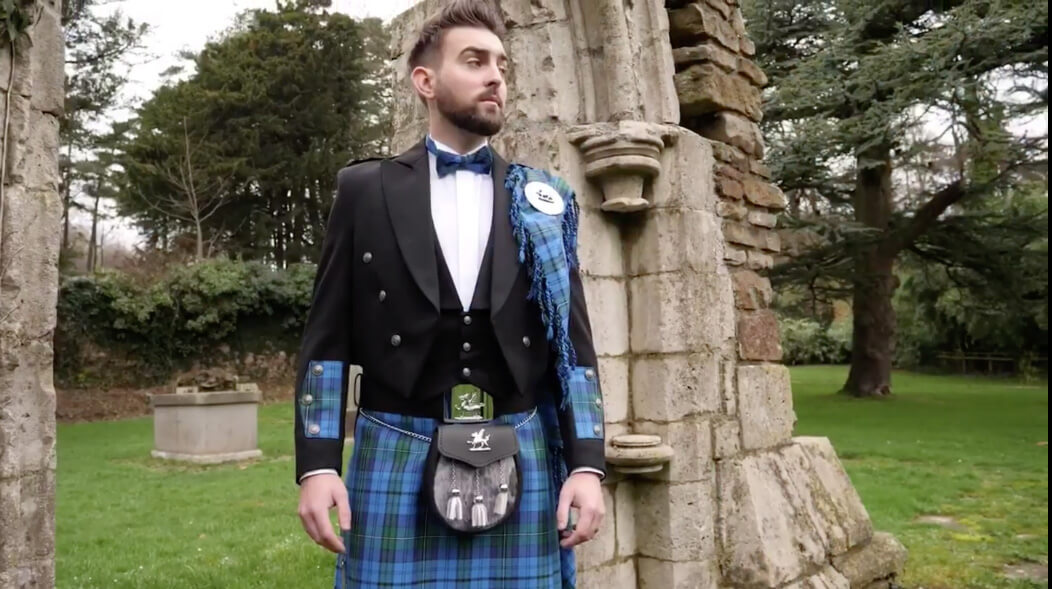
The Scottish kilt is a garment that has a long and rich history and is still worn today as a symbol of Scottish culture and heritage. However, while the kilt itself may be steeped in tradition, the manufacturing and design processes have evolved over time. In this blog post, we will take a closer look at how kilts are manufactured and designed today.
Designing a Kilt:
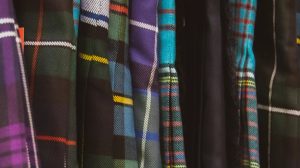
The first step in designing a kilt is to choose the tartan or pattern that will be used. Tartans come in a wide variety of colors and patterns, each with its own unique significance and symbolism. Once a tartan has been chosen, the next step is to measure the wearer to ensure a proper fit. The kilt will be tailored to the wearer’s measurements, with consideration given to length, waist size, and hip size.
Manufacturing a Kilt:
The manufacturing process for a kilt involves a number of steps, including cutting the fabric, pleating the fabric, and attaching the waistband and other hardware. The fabric used in kilts is typically wool, which is a durable and comfortable material that can withstand the rigors of everyday wear.
The first step in manufacturing a kilt is to cut the fabric to the appropriate size and shape. This is typically done using a large cutting table, with the fabric being cut to the specific measurements of the wearer.
Next, the fabric is pleated, which is a time-consuming and labor-intensive process. The pleating is typically done by hand, with each pleat being carefully measured and folded to ensure a uniform and attractive appearance.
After the pleating is complete, the waistband and other hardware are attached. The waistband is typically made from a sturdy material such as leather, and may be decorated with buckles or other embellishments. The hardware is attached to the kilt using stitching and other techniques to ensure a secure and durable hold.
Finally, the kilt is finished with a range of additional details, such as lining, fringe, and decorative stitching. These finishing touches are what give each kilt its unique character and appearance, and can be customized to suit the wearer’s preferences.
In conclusion, while the Scottish kilt may be steeped in tradition, the manufacturing and design processes have evolved over time. Today, kilts are made using modern equipment and techniques, but the attention to detail and craftsmanship that goes into each kilt is still as important as ever. Whether worn for special occasions or as a symbol of Scottish heritage and pride, the kilt remains a beloved and iconic garment that continues to capture the imaginations of people around the world.